
Operational quality control for reliable processes
Operational quality control makes it possible to verify that each stage of an operation complies with defined procedures, standards, and requirements.
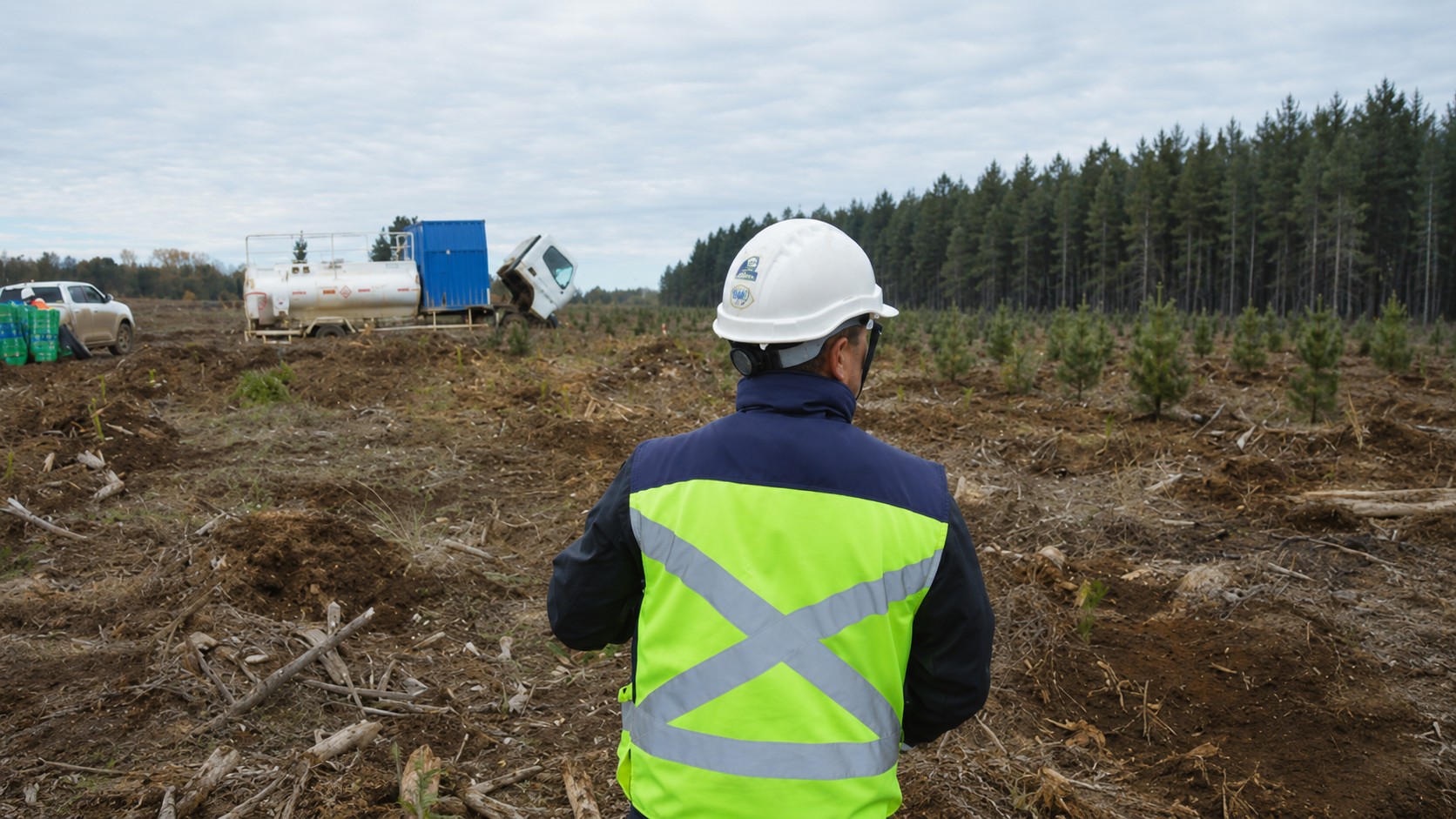
IMF supports control and monitoring of harvesting, transport, and production processes through technical methodologies, field audits, and reliable record systems.
The information collected provides evidence, detects deviations, reduces losses, and strengthens transparency and operational decision-making.
Service capabilities
- Process survey and diagnosis.
- Verification of operational procedures.
- Technical field controls.
- Operational audits.
- Harvest monitoring.
- Transport traceability.
- Production control.
- Digital evidence recording.
- Performance and productivity monitoring.
- Indicator generation.
- Operational reporting.
- Identification of losses and deviations.
- Support for quality processes.
- Continuous improvement of controls.


Our operational quality control process
Survey and diagnosis
We analyze the operation, existing processes, available records, and technical control requirements.
Operational verification and control
We perform field reviews and controls to validate procedures, records, and compliance with defined criteria.
Recordkeeping, reporting, and continuous improvement
We consolidate evidence and information from harvesting, transport, and production to generate indicators, reports, and recommendations that strengthen management.
Transparency and control at every stage of the operation
IMF integrates field control, evidence recording, and information analysis to provide greater visibility over production processes. This improves data quality, strengthens compliance, and supports decisions based on verifiable information.
- Monitoring of productive operations.
- Procedure verification.
- Evidence recording.
- Traceability of harvesting, transport, and production.
- Reduction of operational losses.
- Identification of deviations.
- Reports and indicators.
- Performance and productivity control.
- Support for quality processes.
- Continuous improvement.
Frequently asked questions about operational quality control
It is the ability to record and follow information associated with an activity or product through the different stages of a process, making it possible to know its origin, path, and results.
The scope may include harvesting, transport, production, quality, performance, and other processes defined with the client.
Depending on the service, operational data, dates, locations, responsible parties, volumes, times, photographs, observations, and verification results may be recorded.
Collected data is compared with the procedures, criteria, and ranges defined for the service. Differences are recorded and presented in the corresponding reports.
The client may receive databases, evidence records, technical reports, indicators, compliance observations, and improvement recommendations.
Yes. When the project requires it, records can be integrated into mobile applications or web platforms to centralize evidence and generate reports.
Need to strengthen control of your operation?
Let’s discuss the processes, records, and results you need to control and document. Let’s talk
Let’s turn every record into traceable information.
